KEEGAN HOLDEN
10.24.26
DIE PLEK
8758 Holloway Drive
West Hollywood, CA 90069
DIE PLEK is proud to present Meridian, Keegan Isaac Holden’s first solo exhibition in Los Angeles. Based in Culver City, Holden graduated from Bard College in 2019 with a BA in Photography and received his MFA from UCLA in 2026.
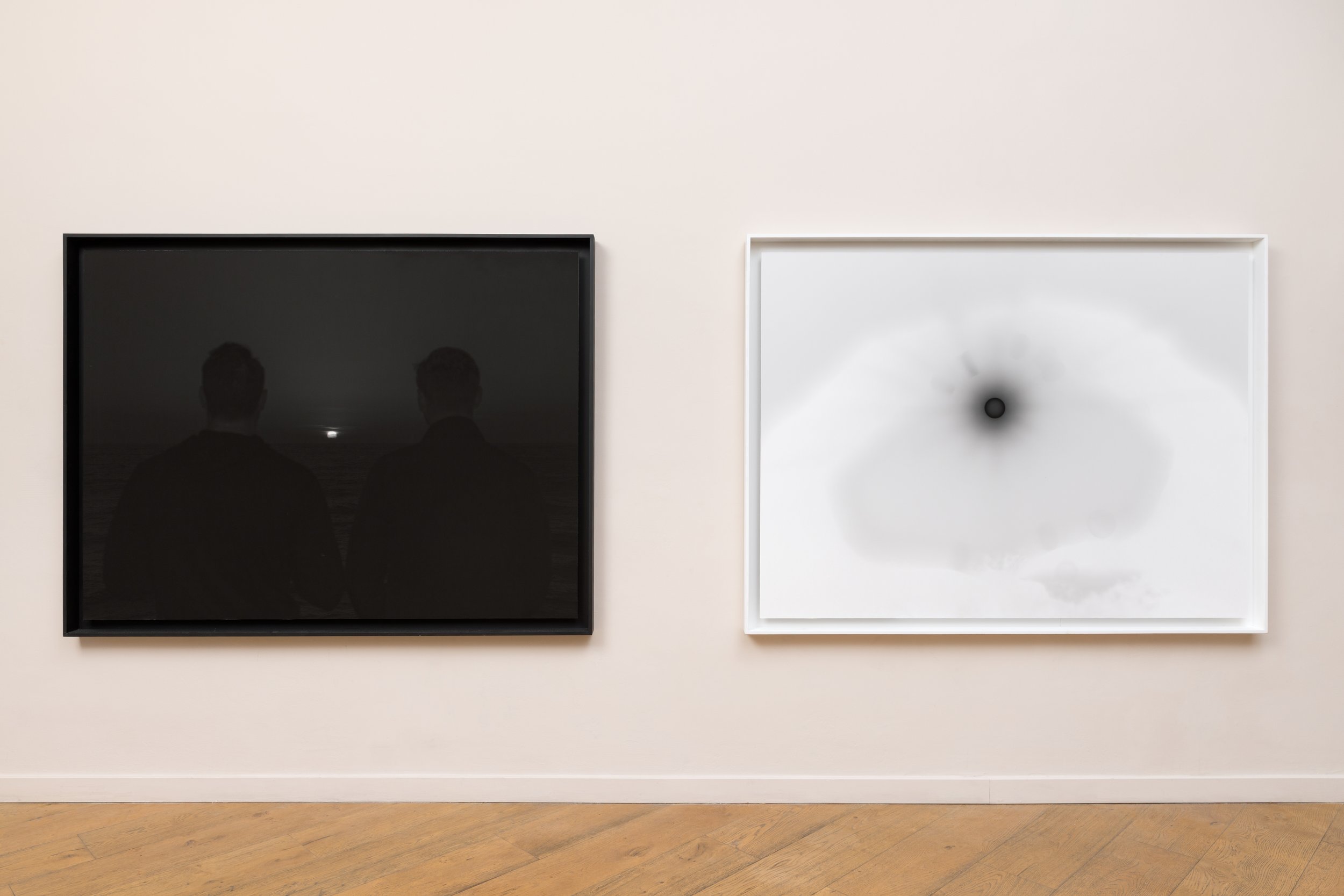
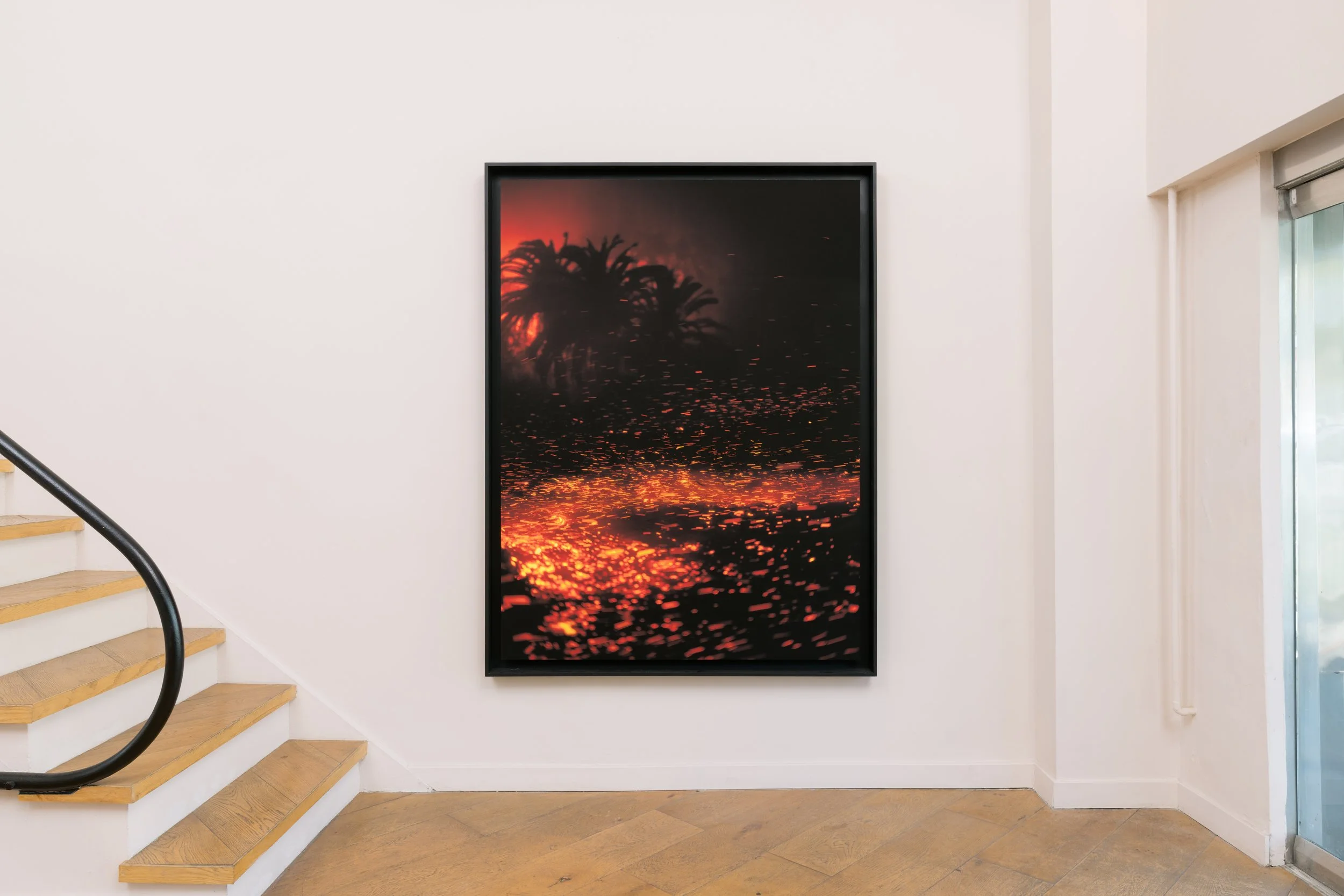
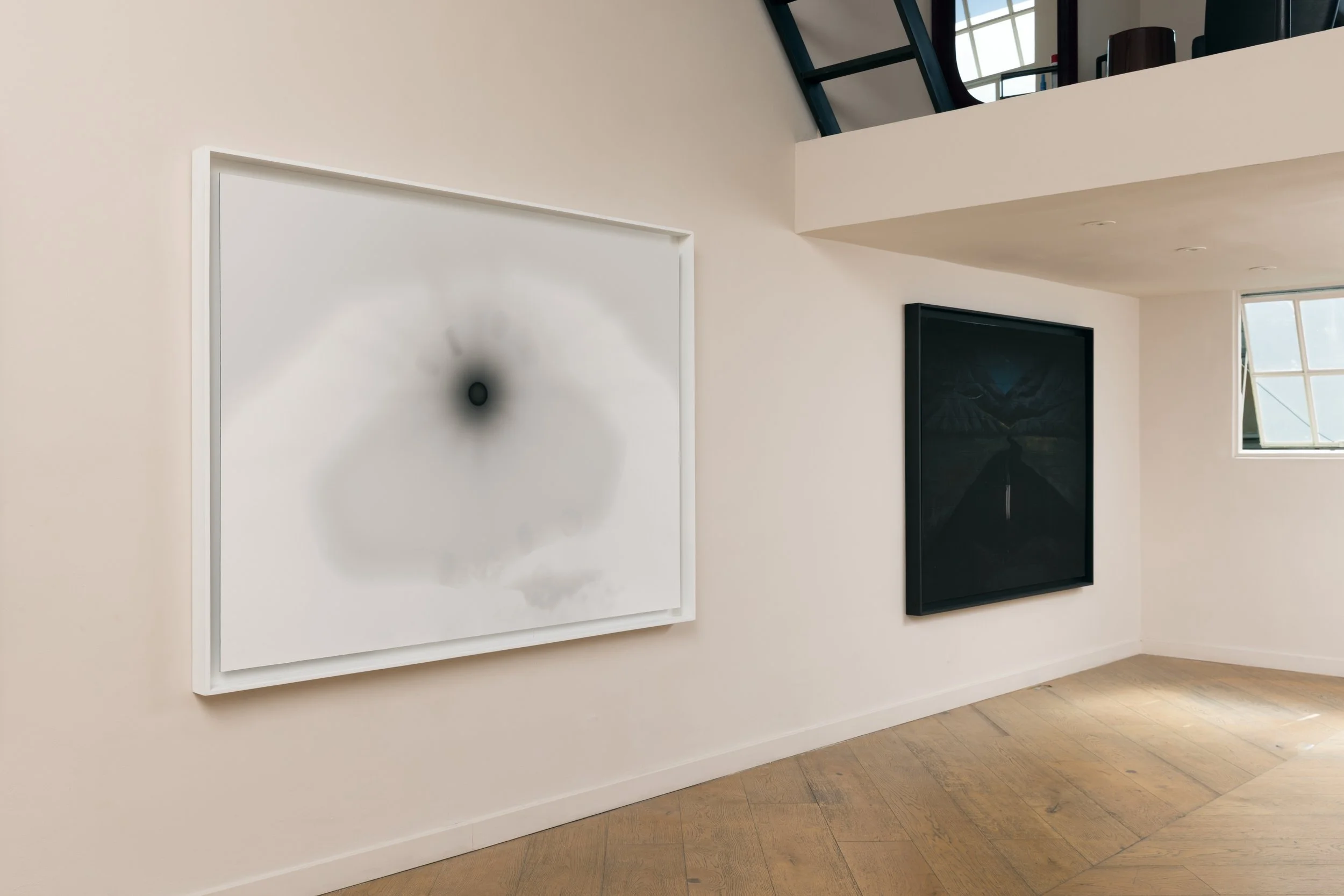
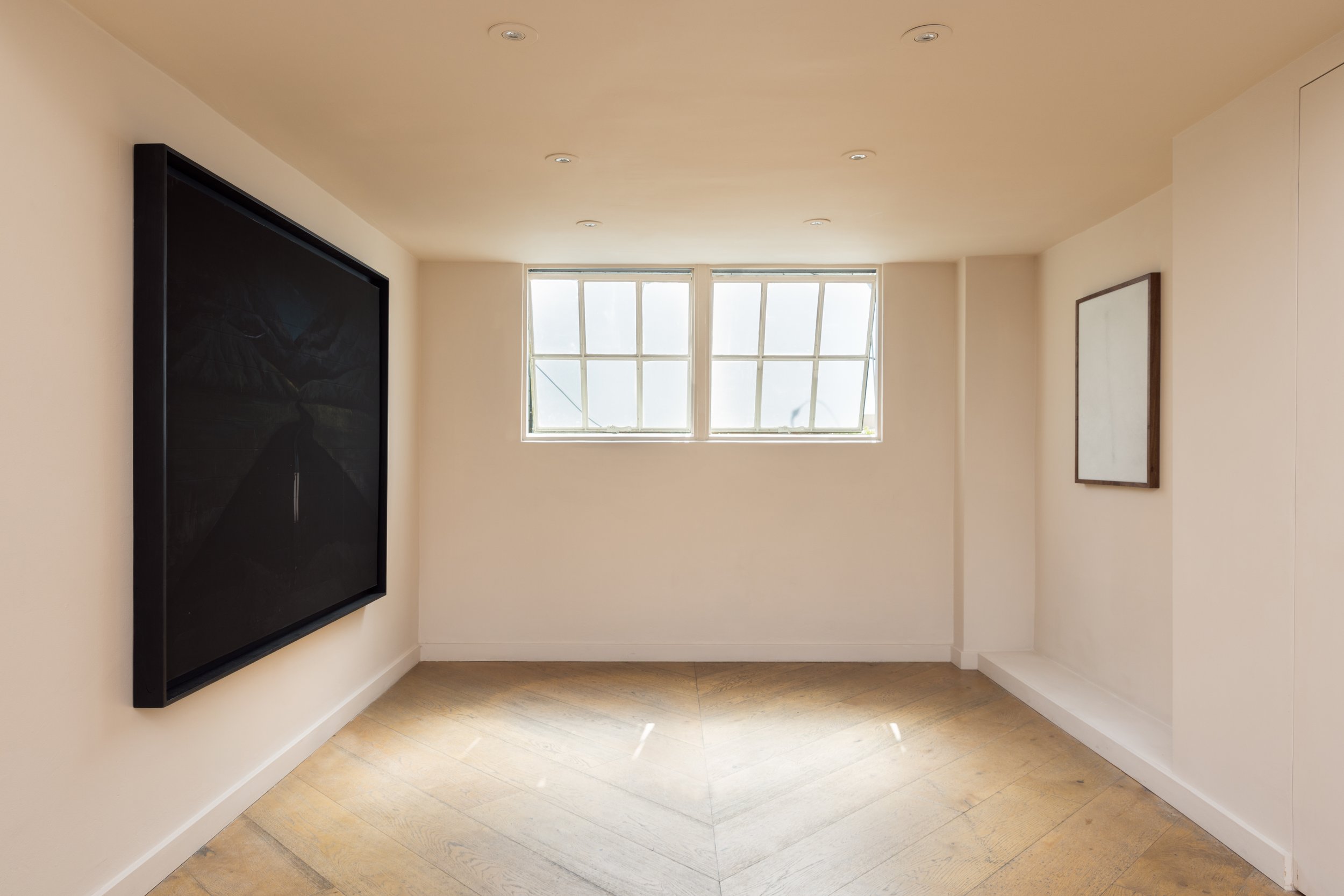
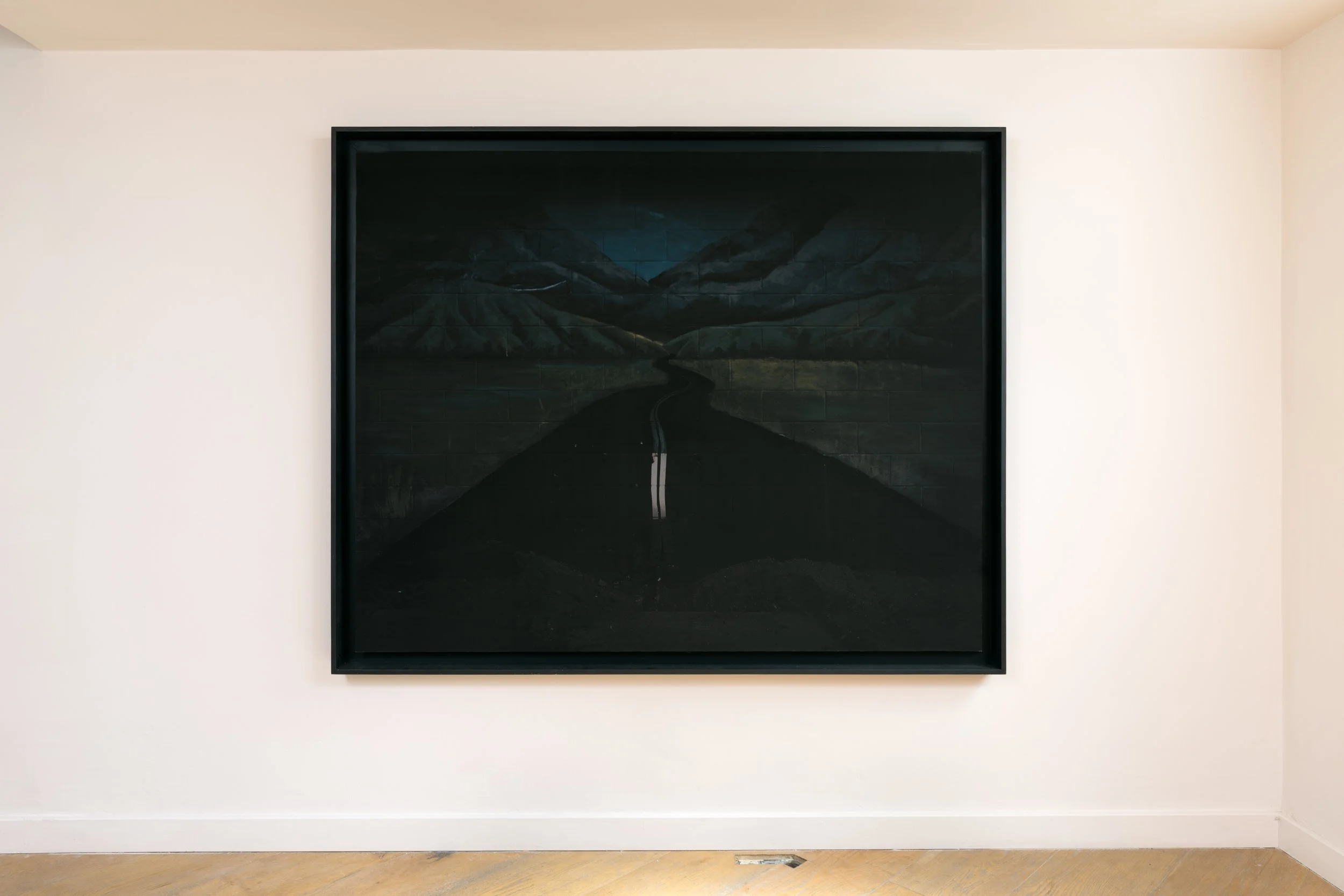
Comprising five large-format, limited-edition photographic works, Meridian explores the space between artistic intention and viewer interpretation. Beginning with the visual language of documentary photography, Holden pushes the photograph beyond its expected role as an objective record of a place, person, thing or event, questioning the relationship between what an image presents and what it allows us to perceive.
His process moves between extensive fieldwork and precise studio intervention. Through manipulations of scale, tonal value, inversion, and trompe-l’œil techniques, Holden transforms his photographs, drawing attention not only to the image itself but also to the photograph as a physical surface and object. The resulting works occupy a space between recognition and abstraction, inviting viewers to reconsider both what they are looking at and how they look.
Holden describes his approach as “docu-poetic research.” His works begin in observation but develop through interpretation, intuition, and material experimentation. Rather than offering a fixed account of a place, they suggest landscapes that are at once physical and psychological.
This tension between documentation and interpretation is central to Holden’s practice. While his photographs retain traces of documentary observation, they resist the notion that photography must simply describe what stands before the camera. Through ambiguity and subjective intervention, the photograph becomes an encounter rather than a straightforward record, allowing viewers to construct their own readings and establish a personal relationship with the photographic object.
Where some artists develop a subject through a serial investigation—moving between details, perspectives, and scales to build a cumulative understanding—Holden approaches each work individually. The works in Meridian differ in their visual strategies, yet are held together by a shared inquiry into the possibilities and limitations of photographic representation. Their coherence emerges not from a repeated subject or uniform method, but from the underlying philosophy that informs each image.
The exhibition’s title refers to Paul Celan’s 1960 speech The Meridian (Der Meridian), delivered upon receiving the Georg Büchner Prize in Darmstadt, Germany. In the speech, Celan reflects on poetry as a movement toward encounter: a way of reaching across distance and opening a path toward the other. Near its conclusion, he evokes the meridian as something “immaterial, yet earthly, terrestrial”—a line that passes through both poles, crosses the tropics, and returns to itself.
For Celan, the meridian offers an image of connection, bringing together language, place, experience, and the other without resolving their differences. This idea resonates with Holden’s notion of “docu-poetic research.” Like Celan’s Meridian, Holden’s photographs move between the material and the poetic, the geographical and the figurative. They negotiate the distance between the observed world and its transformation through artistic intervention, between the physical image and the meanings it generates in the encounter with a viewer.
In this sense, Meridian is not simply about what a photograph records, but about the paths it opens: between artist and viewer, observation and imagination, the tangible and the elusive.
↑
© IAN BYERS-GAMBER
Photo Credit
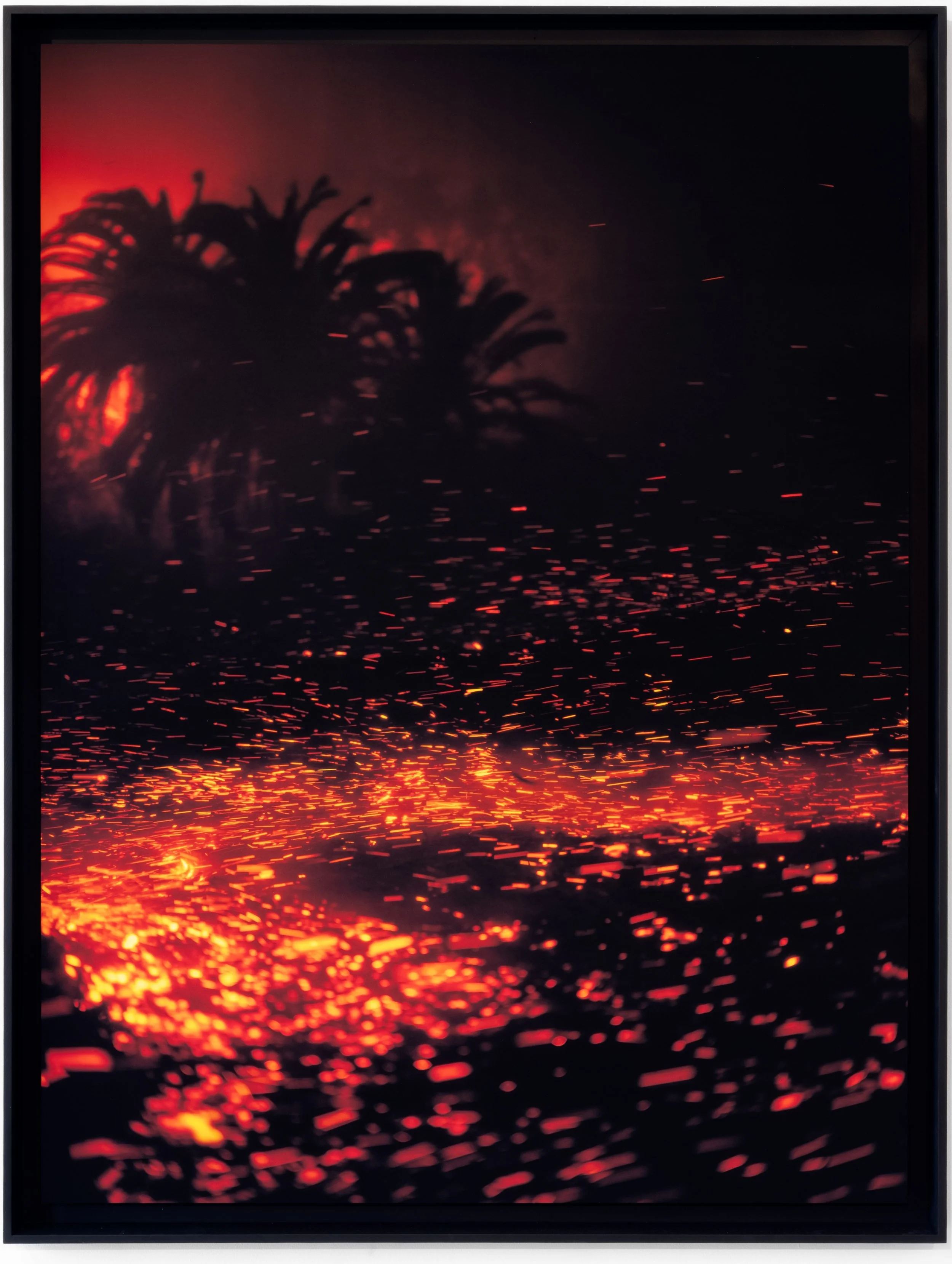
Embercast, 2025
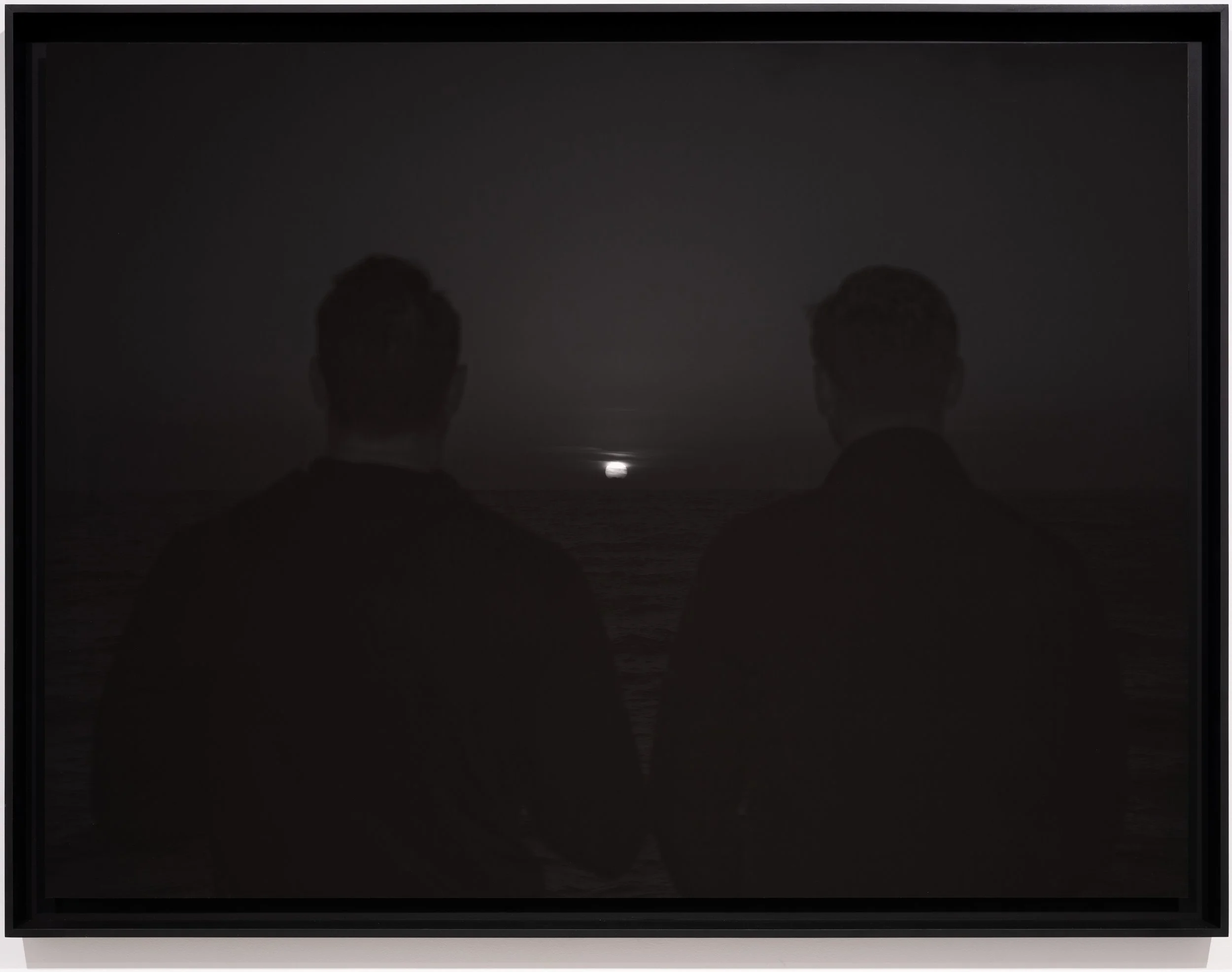
Untitled (Grays), 2025
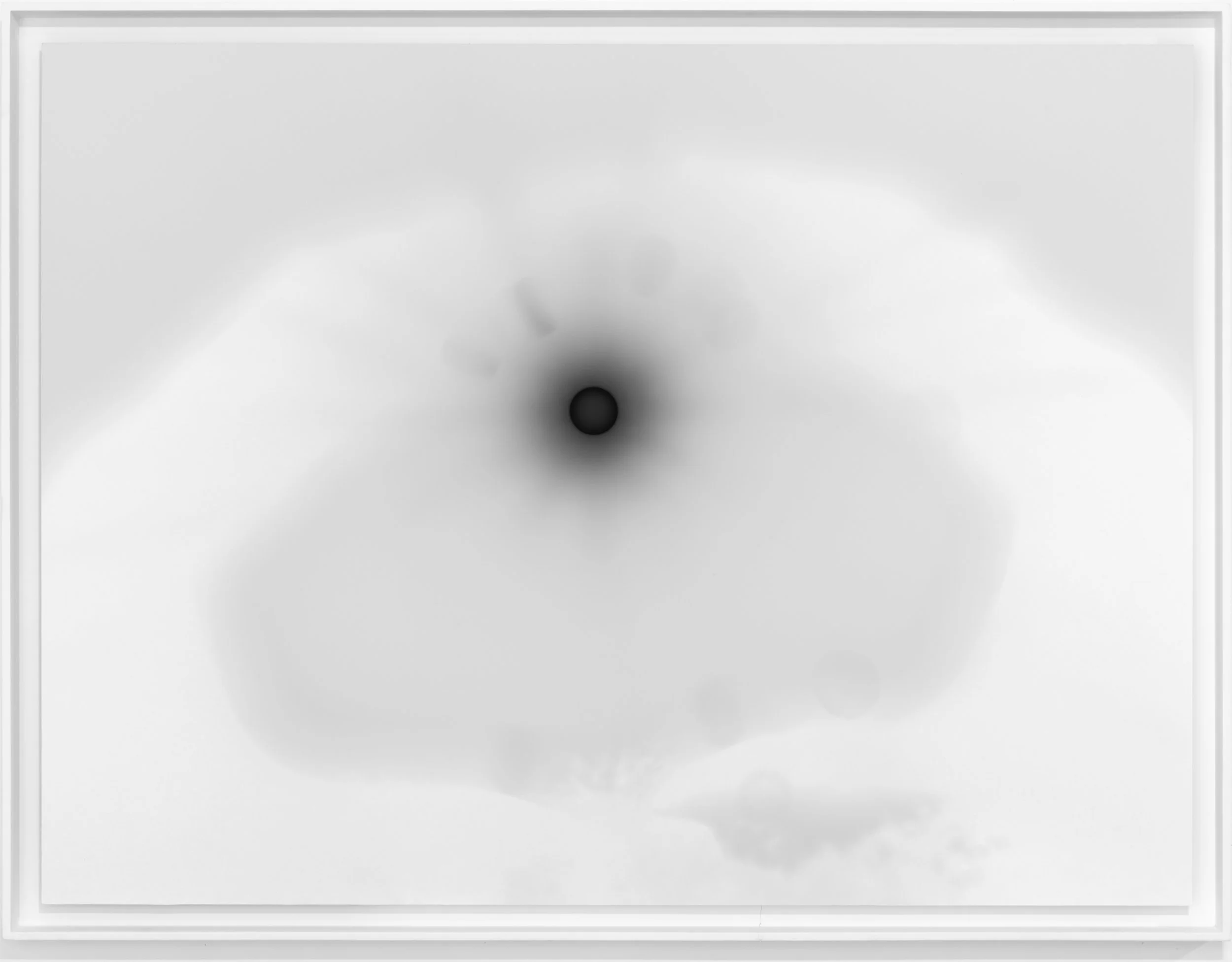
Meridian, 2026
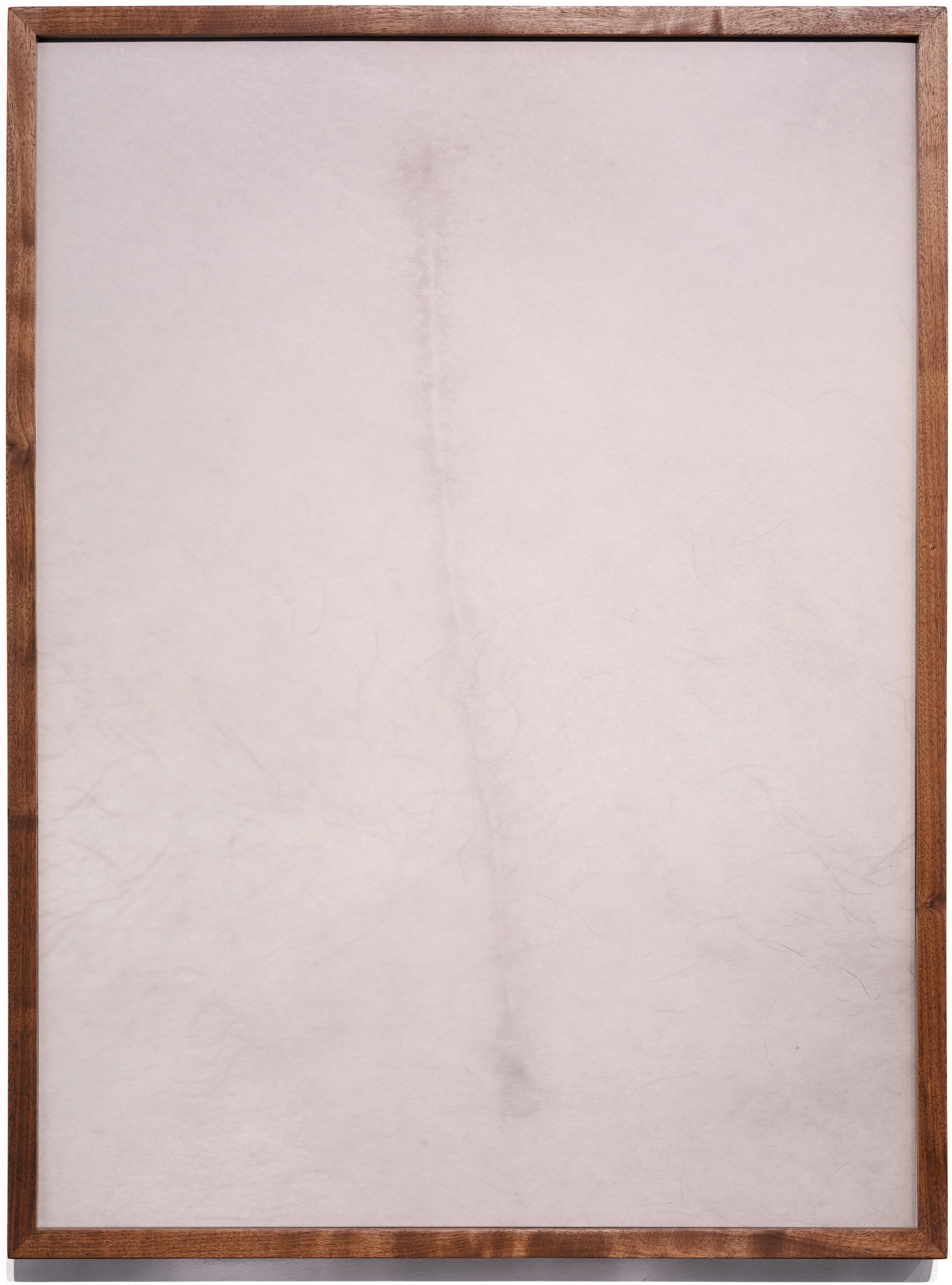
Scar (Father), 2026
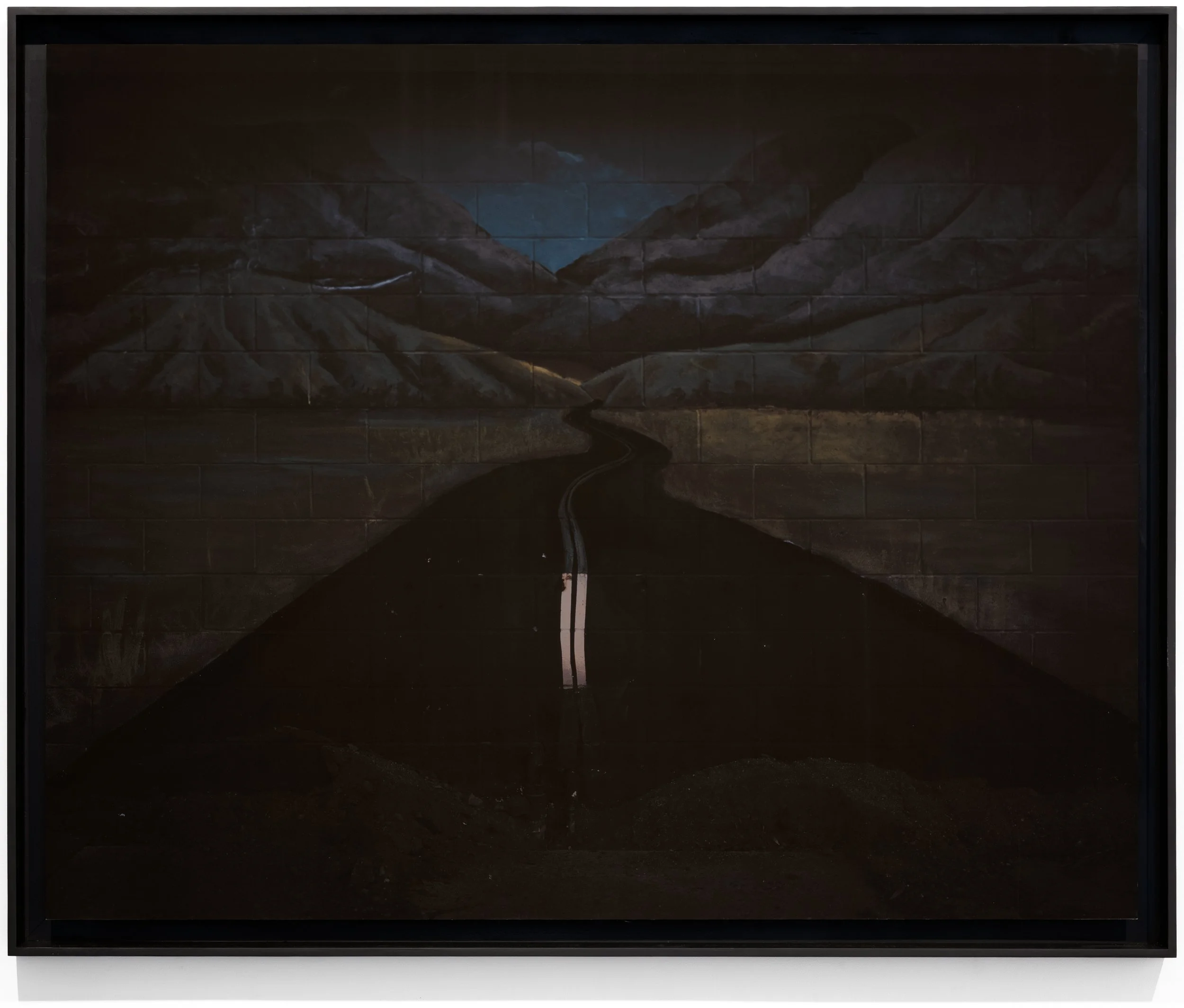
Coyote, 2026